
Navigating the Worst Day of Pain After Wisdom Tooth Extraction
Experiencing the worst day of pain after wisdom tooth extraction can be a daunting and overwhelming experience. For many, this procedure is a rite of passage in dental health, but it can also come with a whole array of discomfort and challenges during recovery. Understanding what to expect and how to manage discomfort is crucial for a smoother recovery. The information here will not only prepare you for what’s to come but also provide actionable strategies to ease your pain effectively.
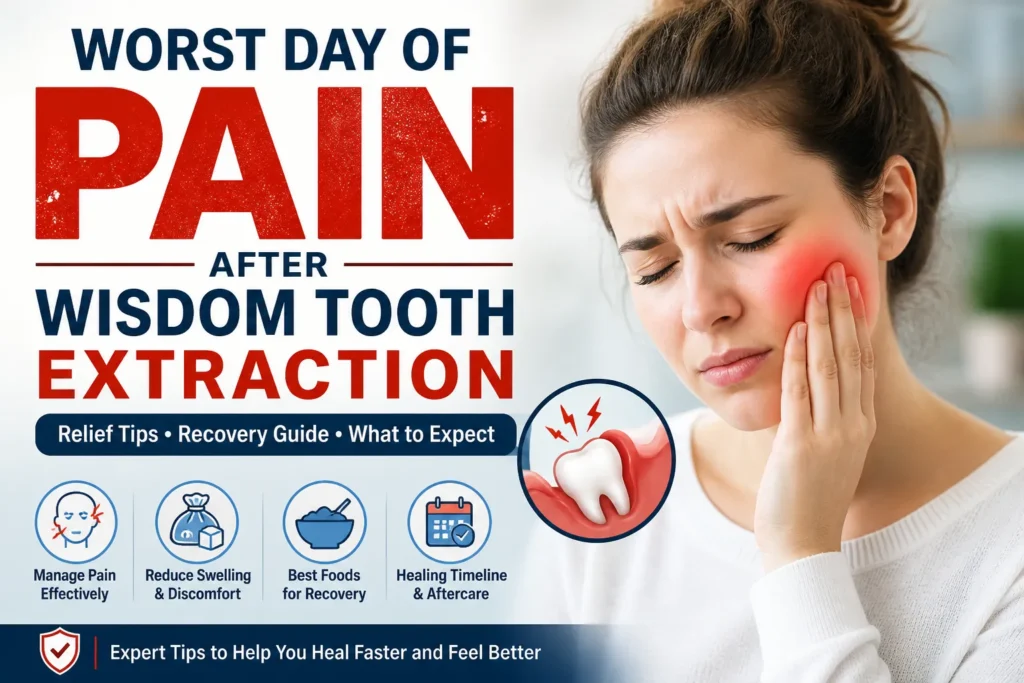
Understanding and Managing the Peak Pain After Wisdom Tooth Removal
Managing Peak Pain After Wisdom Tooth Extraction
Anyone undergoing wisdom tooth extraction should prepare for some level of discomfort and pain. This includes adolescents and young adults, as wisdom teeth typically emerge between the ages of 17 and 25, although they can also be extracted in older adults if they cause issues. People who have impacted wisdom teeth—teeth that do not have enough space to emerge properly—are especially likely to experience pain during and after the extraction process.
Post-Extraction Pain After Wisdom Teeth Removal: Causes, Timeline, and Relief
The worst day of pain typically occurs within the first 24 to 72 hours after surgery. Pain levels will peak during this time due to inflammation and swelling around the extraction sites. Intense pain after wisdom tooth removal can stem from various factors, including the complexity of the extraction, the depth of the tooth in the gum, and whether there were any complications during the procedure.
A Complete Guide to Handling Severe Pain After Wisdom Tooth Surgery
Pain is a natural part of the healing process as your body responds to surgery. After the extraction, your body initiates a healing response, which includes increased blood flow to the area, inflammation, and the formation of a blood clot over the extraction site. While these processes are essential for healing, they are also what lead to pain and discomfort.
The Most Intense Pain After Wisdom Tooth Extraction: What to Expect and How to Cope
Anticipating common symptoms can help you prepare for the worst day of pain after wisdom tooth extraction. Here are some of the most typical symptoms:
- Severe Swelling: Swelling in the jaw and cheeks is common and usually peaks around 48 hours after the procedure. This swelling can add pressure and lead to increased discomfort.
- Throbbing Pain: Patients often experience a throbbing sensation in the extraction area, typically accompanied by pain radiating to the jaw, ear, or temples.
- Difficulty Opening the Mouth: This is a condition known as trismus, commonly experienced post-surgery, where the muscles around the jaw become stiff, making it difficult to open the mouth fully.
- Bleeding: Some oozing from the surgical area is normal. However, significant bleeding could indicate complications, and you should contact your dentist immediately if this occurs.
- Bad Breath or Unusual Taste: As the surgical site heals, it’s normal to experience bad breath or an unpleasant taste due to the presence of blood or the healing tissue.
Your Complete Guide to Surviving the Worst Pain After Wisdom Tooth Extraction
Recovering from wisdom tooth extraction requires proactive measures to manage pain effectively. Here are expert pro-tips:
1. Follow Your Dentist’s Instructions
Always adhere to the post-operative care recommendations provided by your dentist or oral surgeon. This includes guidelines about medications, dietary restrictions, and activities to avoid.
2. Utilize Ice Packs
Applying ice packs on the outside of your face can help reduce swelling and numb the pain during the first 48 hours. Apply the ice for 20-minute intervals, allowing periods in between to prevent frostbite.
3. Stay Hydrated and Nourished
Proper hydration and nutrition are essential for recovery. Drinking plenty of water will keep you hydrated, which is vital as some pain medications can lead to dehydration. Opt for soft foods like applesauce, yogurt, and smoothies that are easy to consume without aggravating the extraction site.
4. Pain Relief Medications
Using over-the-counter pain relief, such as ibuprofen or acetaminophen, can help manage discomfort. Follow the dosage instructions carefully. If the pain becomes severe, contact your dentist for potential prescription options.
5. Avoid Straws
It’s crucial to refrain from using straws in the first few days post-surgery. The suction can dislodge the blood clot, leading to a painful condition known as dry socket.
6. Maintain Oral Hygiene
Keep your mouth clean post-surgery to prevent infection. Gently rinse your mouth with warm salt water starting 24 hours after surgery. Avoid forceful rinsing that could disturb the healing area.
7. Rest and Recovery
The body heals best when it’s given adequate time and rest. Avoid strenuous activities and listen to your body. If you feel tired, take a break and allow your body to recover.
Managing Severe Pain After Wisdom Tooth Extraction:
While most days following your extraction will be manageable, it’s essential to recognize potential complications. Understanding the signs of trouble can help you seek timely help and alleviate unnecessary suffering. Here are some symptoms indicating issues that may arise after wisdom tooth extraction:
- Persistent Severe Pain: If the pain worsens rather than improves after three days, it could indicate complications such as dry socket or infection.
- High Fever or Chills: A fever above 101°F could suggest an infection.
- Excessive Bleeding: If your bleeding does not stop after applying pressure for 30 minutes, or if it starts again, contact your dentist or seek emergency care.
- Pus Discharge: Any pus or unusual discharge from the extraction site could indicate an infection.
When you notice these signs, it’s critical to seek immediate dental care to prevent further complications.
The Peak Pain Phase After Wisdom Tooth Removal and How to Handle It Effectively
Several methods can significantly aid in reducing pain during your recovery. Here’s a detailed list of effective pain relief strategies:
Cold Compresses
Using cold compresses in the first 48 hours can help control swelling and numbs the pain. Make sure to wrap ice in a cloth to avoid direct contact with the skin.
Warm Compresses
After 48 hours, using warm compresses can help relax the jaw muscles and improve blood circulation to the area, aiding in a more comfortable healing process.
Salt Water Rinses
After the first day, begin gently rinsing your mouth with warm salt water to maintain oral hygiene and promote healing. This practice can also help dislodge any food particles that can irritate the extraction site.
Herbal Remedies
Some individuals find relief through herbal treatments such as clove oil or peppermint tea, known for their natural analgesic properties. Apply clove oil directly to the painful area for a soothing effect (but consult with your dentist first).
Acupressure
Acupressure techniques can be beneficial in managing pain. Applying gentle pressure to specific points on the body may help alleviate discomfort.
Sufficient Sleep
Getting adequate sleep is essential for the recovery process. Sleep may help in reducing stress and inflammation, ultimately leading to a faster recovery.
Facing the Toughest Days After Wisdom Tooth Removal
Taking care of yourself after the extraction is critical to ensure a smooth recovery process. Here are some aftercare guidelines:
Food and Drink
Maintain a soft food diet for at least the first week. Foods to consider include:
- Mashed potatoes
- Smoothies
- Pudding
- Broths
- Applesauce
- Soft-cooked vegetables
Avoid hard, crunchy, or spicy foods that could irritate the extraction site. Remember to stay hydrated but avoid carbonated beverages and alcohol.
Oral Hygiene Practices
Oral hygiene is even more critical post-extraction. Gently brush your teeth while avoiding the extraction site for at least a few days. Continue your regular dental hygiene routine once you feel comfortable, but consult your dentist if you’re unsure.
Activity Restrictions
Limit physical activities for at least a few days following surgery. Avoid heavy lifting, running, or any vigorous exercises that can increase blood pressure and potentially ruin the healing process.
Long-Term Care and Follow-Up
Once the immediate healing process settles, ensure to attend follow-up appointments with your dentist. These check-ups will provide insights into your healing progress and address any ongoing discomfort.
Assessing Long-Term Outcomes
While many individuals heal without complications, some may experience longer-term issues related to their wisdom teeth, such as:
- Misalignment of nearby teeth
- Recurring infections
- Persistent pain in the jaw
Discuss these concerns with your dentist, who can recommend treatment options based on your specific case.
FAQs
1. When is the worst day of pain after wisdom tooth extraction?
The worst pain usually occurs between 24 to 72 hours after the extraction. This is when swelling and inflammation peak, causing maximum discomfort.
2. How long does pain last after wisdom tooth removal?
Pain typically lasts 3 to 5 days, but mild discomfort can continue for up to a week. Full healing may take a few weeks depending on the case.
3. How can I reduce pain after wisdom tooth extraction?
You can reduce pain by using ice packs, prescribed medications, salt water rinses, and eating soft foods while avoiding straws and hard foods.
4. What is dry socket and why is it painful?
Dry socket occurs when the blood clot at the extraction site gets dislodged, exposing bone and nerves. It causes severe, sharp pain and requires immediate dental care.
5. Is swelling normal after wisdom tooth extraction?
Yes, swelling is completely normal and usually peaks around 48 hours after surgery. It gradually reduces within a few days.
6. When should I contact a dentist after extraction?
You should contact your dentist if you experience severe pain after 3 days, excessive bleeding, fever, pus discharge, or worsening swelling.
Severe Pain After Wisdom Tooth Extraction and How to Manage It
Your experience on the worst day of pain after wisdom tooth extraction can vary, but knowing how to manage discomfort effectively can make a significant difference. Preparation is key to a quick recovery, allowing you to return to your daily activities as soon as possible. If you experience severe pain, any complications, or have further questions, don’t hesitate to contact your dental professional for personalized advice and guidance.